An Expectation-Maximization Algorithm for Training Clean Diffusion Models from Corrupted Observations
NeurIPS 2024
Abstract
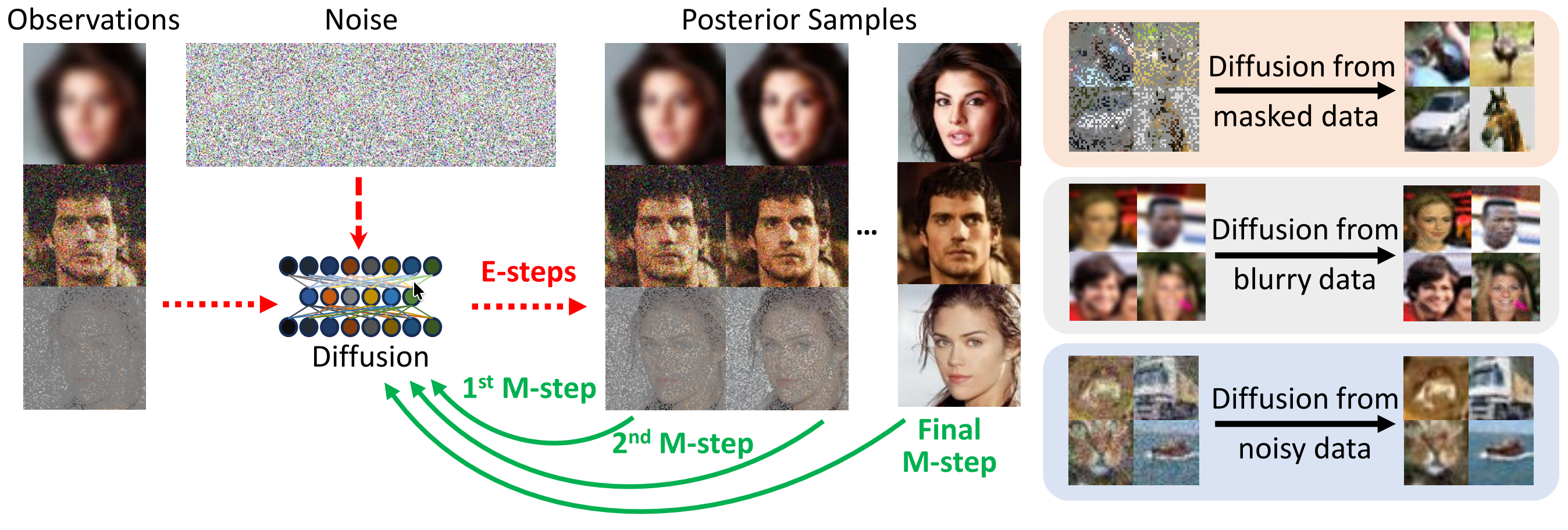
Diffusion models are powerful priors for imaging inverse problems, but training clean diffusion models typically requires large clean datasets that are often unavailable in real-world settings. EMDiffusion introduces an expectation-maximization framework to train diffusion priors directly from corrupted observations. In each E-step, the method reconstructs posterior clean samples from corrupted data; in each M-step, it updates the diffusion model on those samples. This alternating process progressively improves both reconstruction quality and the learned diffusion prior, and enables strong performance on inpainting, denoising, and deblurring.
More: Method details | Main results | BibTeX
Method Summary
The algorithm uses adaptive posterior sampling to recover latent clean images from corrupted inputs, then fits the score model to these reconstructions. This coupling allows robust training even from highly degraded observations.
References: NeurIPS paper | Implementation
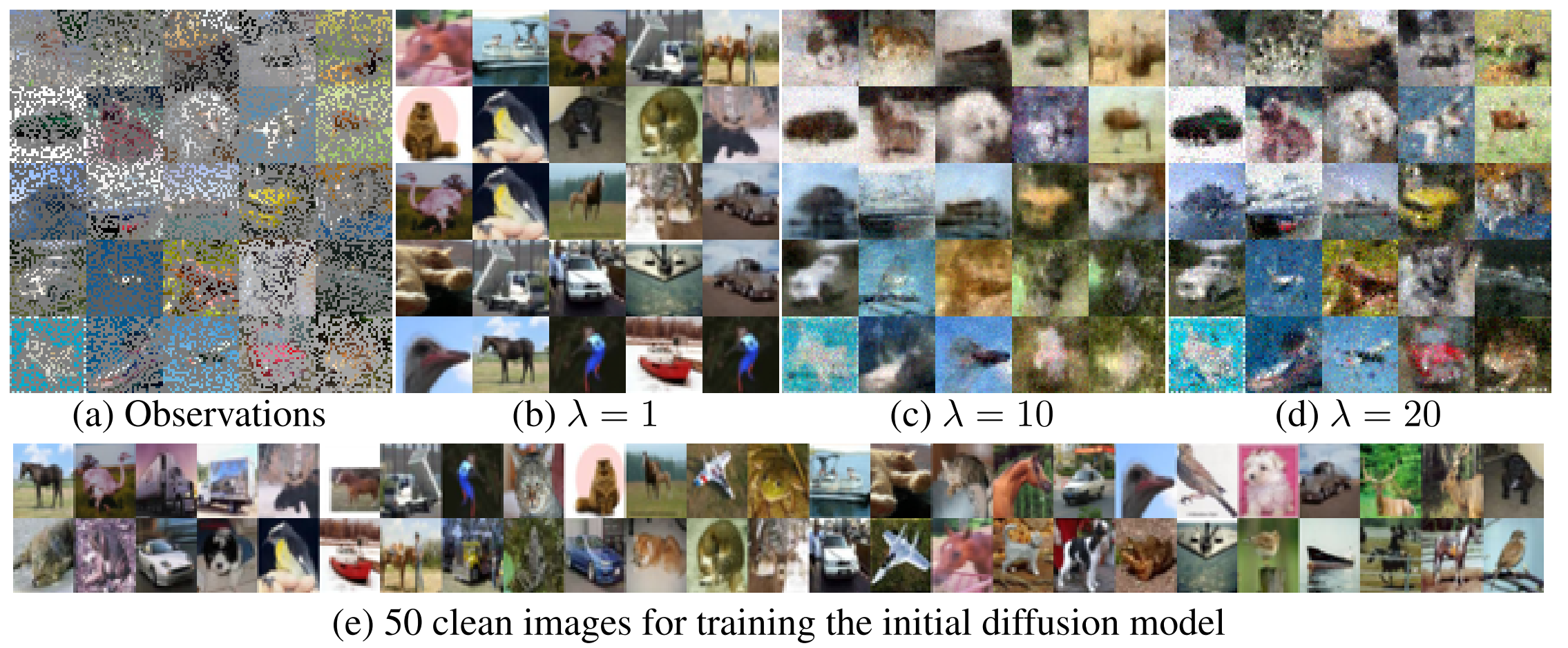
Fig. 2. Adaptive posterior sampling: balanced scaling improves posterior quality over naive settings.
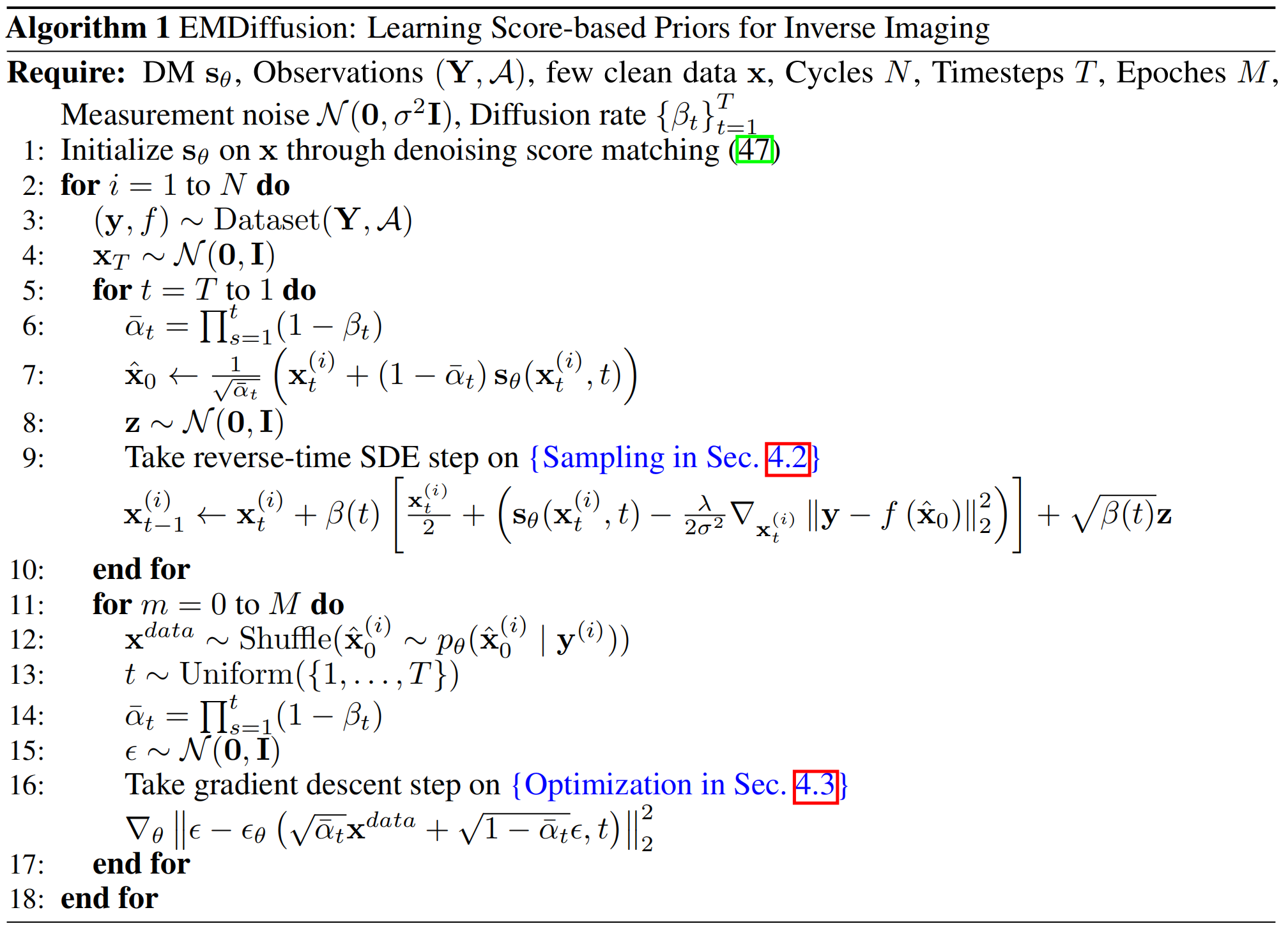
Algorithm 1. Full EMDiffusion training pipeline with alternating E-step/M-step updates.
Qualitative Results
Qualitative comparisons show consistent gains across inpainting, denoising, and deblurring. Reconstructions become cleaner over EM iterations and approach methods trained with clean priors.
References: Figure 3 & Figure 4 in paper | Reproduce with code
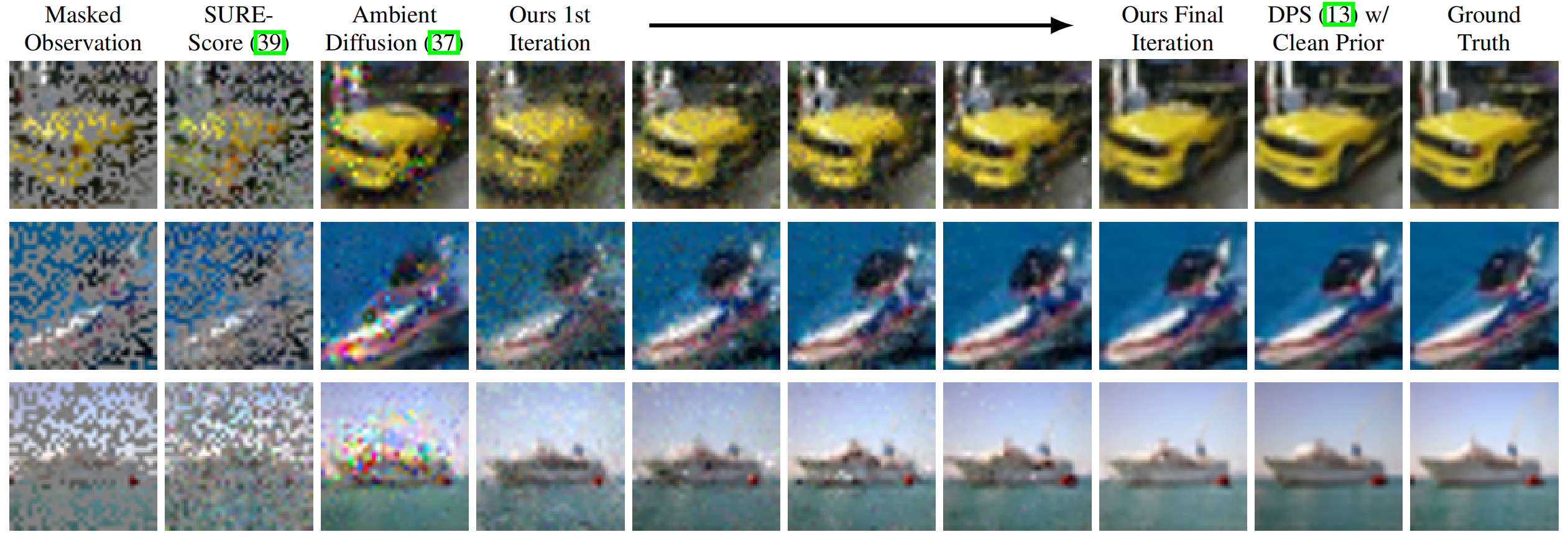
Fig. 3. CIFAR-10 inpainting: output quality improves step-by-step along EM iterations.
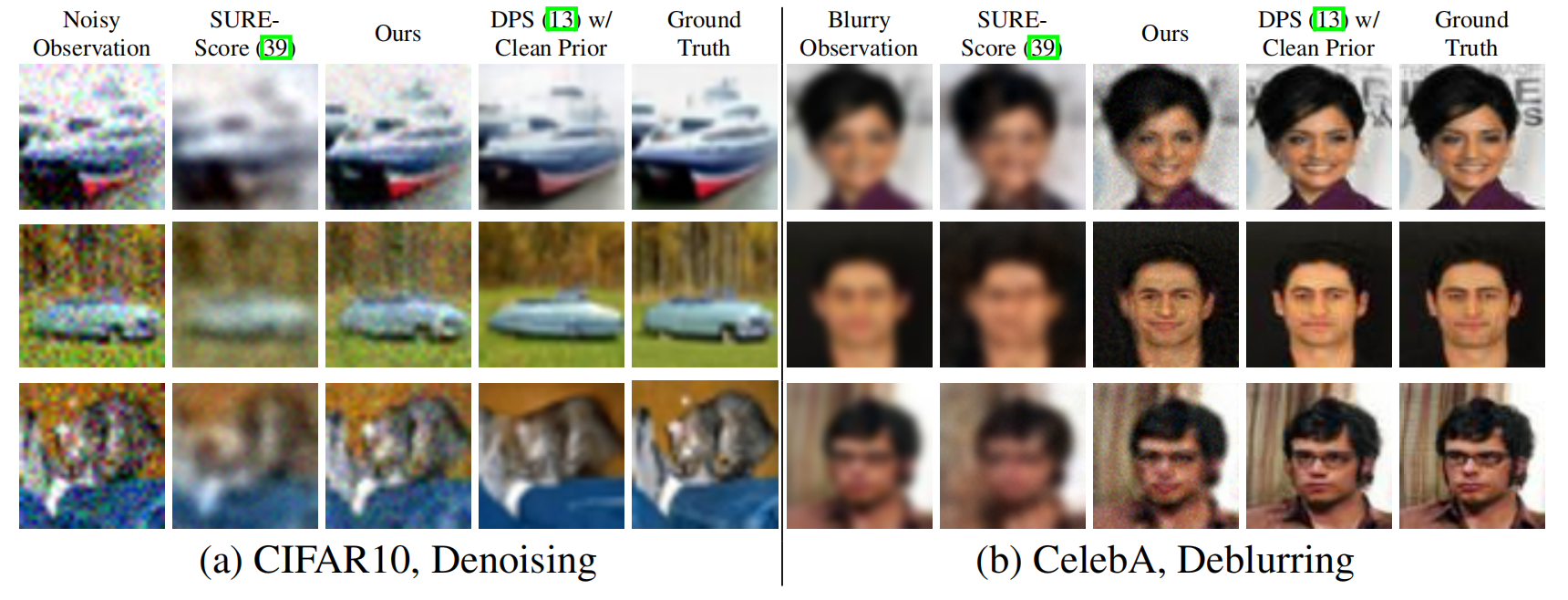
Fig. 4. Denoising and deblurring: EMDiffusion recovers sharper structures and more faithful details.
- No large clean dataset required: learn useful clean priors directly from corrupted data.
- General framework: supports random inpainting, Gaussian denoising, and Gaussian deblurring.
- Iterative improvement: both reconstruction quality and prior generation quality improve across EM iterations.
Quantitative Results
EMDiffusion outperforms corrupted-data baselines and narrows the gap to methods that rely on external clean priors. The gains are consistent across metrics and tasks.
See also: Table 1 in paper | Evaluation scripts
24.70 / 0.009 / 21.08
CIFAR-10 Inpainting
(PSNR / LPIPS / FID)
23.16 / 0.022 / 86.47
CIFAR-10 Denoising
(PSNR / LPIPS / FID)
23.74 / 0.103 / 91.89
CelebA Deblurring
(PSNR / LPIPS / FID)
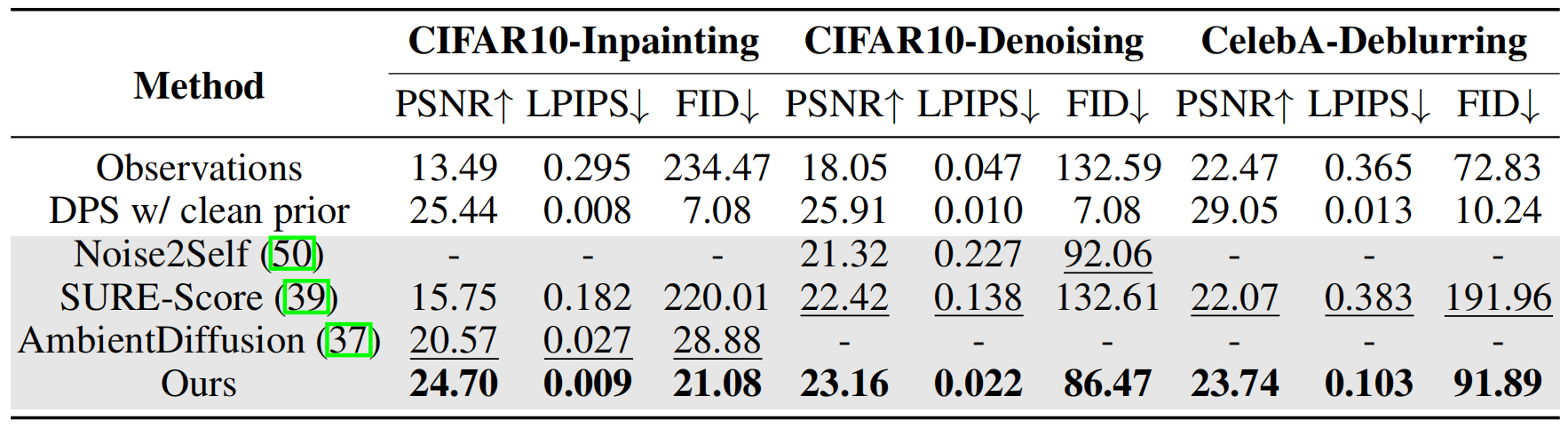
Table 1. Best quantitative trade-off on all three tasks under corrupted-data training.
Ablation Studies
Ablations analyze initialization quality, EM iteration effects, and scaling-factor selection. These results explain why iterative updates and adaptive balancing are critical to performance.
References: Figure 5 in paper
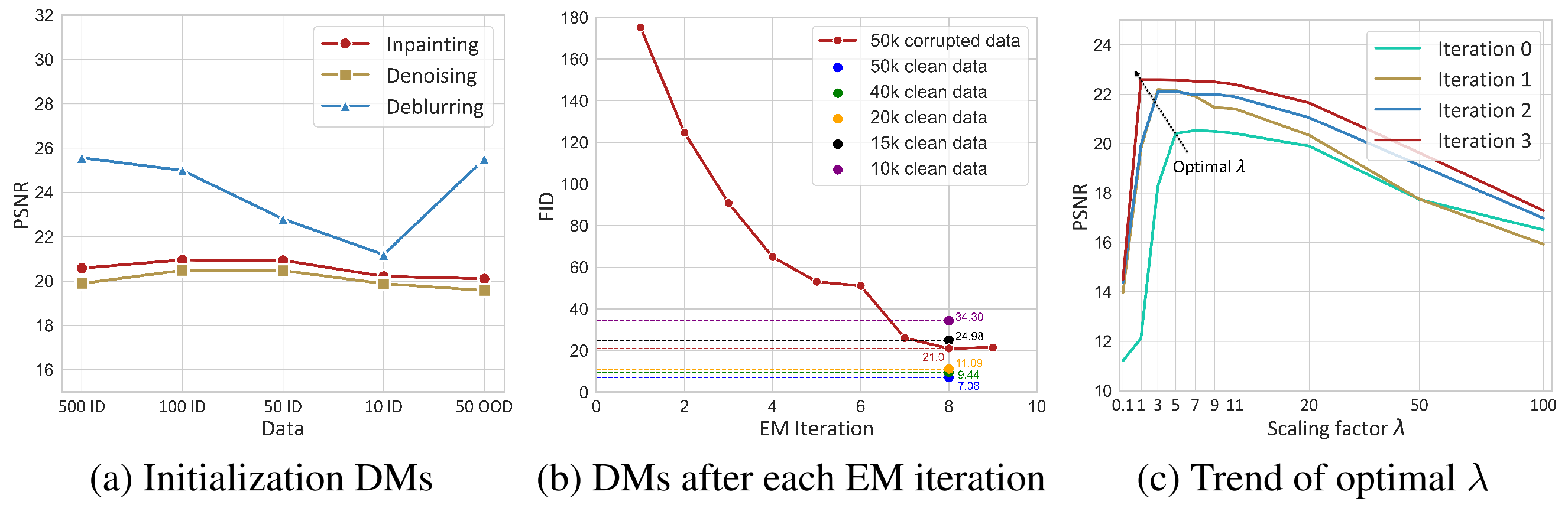
Fig. 5. EM iterations improve priors, and adaptive λ selection stabilizes reconstruction quality.
Citation
@inproceedings{bai2024emdiffusion,
  title     = {An Expectation-Maximization Algorithm for Training Clean Diffusion Models from Corrupted Observations},
  author    = {Bai, Weimin and Wang, Yifei and Chen, Wenzheng and Sun, He},
  booktitle = {Advances in Neural Information Processing Systems},
  year      = {2024}
}